
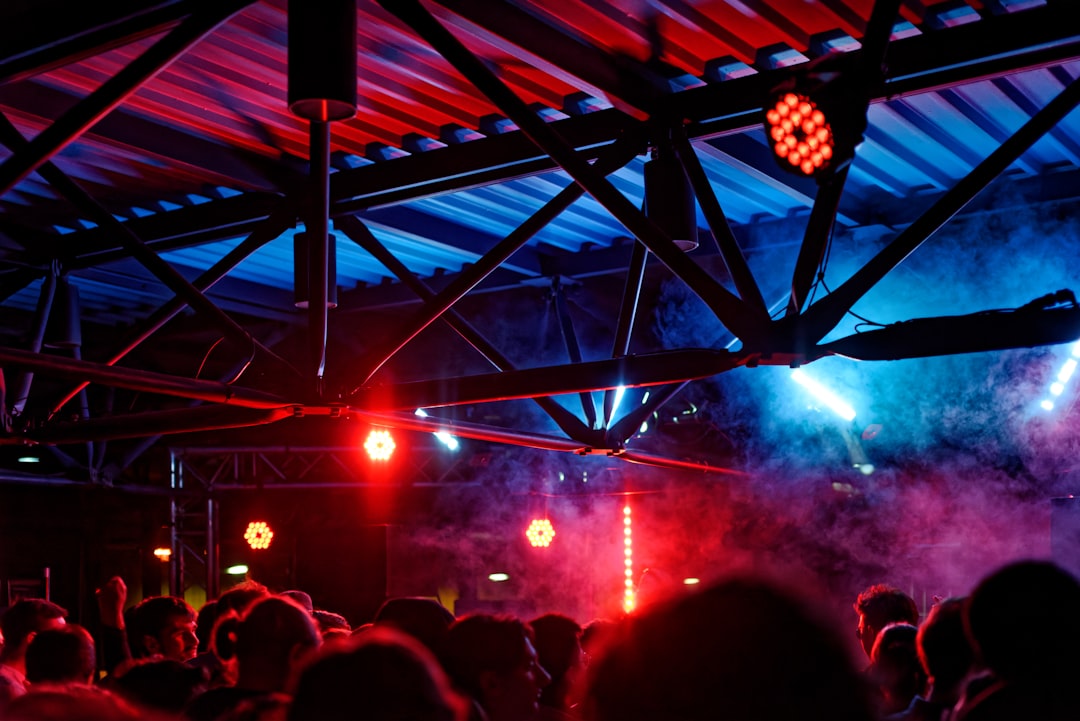
Corporate gatherings carry a weight that social events rarely do. They are often expected to impress clients, align teams, reward employees, strengthen partnerships, and reflect the standards of the business behind them. That pressure makes planning more than a checklist exercise. It becomes a strategic discipline where every choice, from venue flow to timing, tone, and follow-up, shapes how the event is remembered. The strongest outcomes usually come from a clear process, sharp coordination, and a practical understanding of what guests need at every stage.
Whether the occasion is a product launch, networking evening, annual dinner, leadership retreat, or conference, a reliable event management company knows that successful corporate gatherings are built on precision rather than spectacle alone. Strong ideas matter, but structure is what turns ideas into an event that feels seamless from arrival to closing remarks.
Start with a Purpose That Guides Every Decision
One of the most common mistakes in corporate event planning is trying to do too much at once. An event that attempts to be a celebration, sales tool, training session, brand showcase, and networking platform all at the same time can easily lose focus. The best strategy is to identify the primary objective first and let that objective guide every major decision.
Before planning begins in earnest, define what success should look like. Is the event intended to build stronger relationships with clients? Introduce a new product? Improve internal culture? Generate qualified conversations among industry peers? Once that answer is clear, the rest of the planning becomes more disciplined. Venue selection, event format, run sheet, catering, staging, and even guest invitations can then support a single direction.
This is also the point where stakeholder alignment matters. Senior leadership, marketing teams, operations staff, and external partners may all have different expectations. Bringing them into agreement early prevents expensive revisions later. For businesses planning high-stakes launches, conferences, or appreciation events, working with an experienced event management company can help translate broad business goals into a realistic event framework.
Questions worth answering at the start
- Who is the event really for? Clients, employees, media, partners, or a mix of groups.
- What should guests feel or do afterward? Remembering the event, acting on a message, or building new connections.
- What are the non-negotiables? Budget range, date constraints, location, brand requirements, or executive involvement.
- What would make the event feel off-brand? This helps refine decisions before they become costly.
Design the Experience Around the Attendee, Not Just the Agenda
Corporate events often fail not because the schedule is weak, but because the guest journey has been overlooked. Guests do not experience an event as a planner sees it on a spreadsheet. They experience it in moments: registration, navigation, seating, acoustics, transitions, waiting time, food service, and the general energy of the room. A polished event respects those moments.
Attendee-first planning starts with flow. Consider how guests arrive, where they queue, how clearly they are directed, and how quickly they settle into the event environment. If networking is important, there should be natural room for conversation before and after programme highlights. If presentations are central, sightlines, sound quality, and pacing need to be treated as priorities rather than afterthoughts.
Content must also match audience attention. Long speeches, repetitive messaging, and poor transitions can flatten the atmosphere even in a beautiful venue. Strong corporate gatherings usually balance formal structure with breathing room. They give guests a reason to stay engaged instead of simply waiting for the event to end.
Elements that improve guest experience
- Clear registration and wayfinding: Guests should know where to go without confusion.
- Comfortable pacing: Avoid stacking too many major moments back to back.
- Thoughtful food and beverage planning: Timing matters as much as menu quality.
- Purposeful staging: Lighting, screens, and room layout should support communication.
- Time for interaction: Networking works best when it is designed in, not squeezed in.
In Singapore, where business audiences often expect efficiency and polish, these details have even greater importance. A well-run event feels professional without becoming rigid, and memorable without trying too hard.
Build Operational Discipline into Every Stage
Creativity may set the tone, but logistics protect the event. Corporate gatherings involve multiple moving parts that must work together under time pressure: vendor arrivals, rehearsals, room turns, guest management, technical checks, transport coordination, dietary requirements, contingency plans, and speaker readiness. If operations are weak, even a strong concept can unravel quickly.
The most effective event management strategies rely on detailed pre-event planning. This includes production timelines, responsibility mapping, contact trees, load-in schedules, venue restrictions, and on-site briefing documents. Every supplier and team lead should know not just their own role, but how their work affects the rest of the event ecosystem.
Risk management should also be treated as standard practice, not emergency thinking. Delayed deliveries, technical failure, weather issues for outdoor segments, VIP schedule changes, and attendance fluctuations are all realistic possibilities. The goal is not to predict every issue perfectly, but to prepare enough alternatives that the event can keep moving calmly.
| Planning Area | What to Confirm | Why It Matters |
|---|---|---|
| Venue operations | Access hours, loading points, power supply, restrictions | Prevents setup delays and technical surprises |
| Programme timing | Run sheet, speaker cues, transition buffers | Keeps the event on schedule and protects energy |
| Guest management | Registration flow, seating, dietary notes, VIP handling | Improves comfort and reduces front-of-house issues |
| Technical production | Sound checks, screen content, lighting cues, backups | Supports professionalism and smooth delivery |
| Contingency planning | Backup equipment, standby contacts, weather alternatives | Reduces stress when plans change unexpectedly |
An experienced team will know that smooth execution is usually invisible to guests, and that is exactly the point. When logistics are handled well, the event feels effortless.
Manage Communication with Precision Across Stakeholders and Vendors
Corporate events often involve a broad network of decision-makers and service partners. Internal departments may include leadership, HR, marketing, procurement, and office management. External contributors may include venue staff, caterers, production crews, decorators, entertainers, photographers, and transport providers. Without disciplined communication, small misunderstandings quickly become costly complications.
One of the smartest strategies is to centralise information and approvals. A single master timeline, clearly versioned documents, and one point of contact for each workstream can significantly reduce confusion. This is especially important in the final week, when timing tightens and revision requests become harder to absorb.
Vendor management also deserves close attention. Choosing suppliers based on price alone can create service gaps that become expensive later. Reliability, responsiveness, and familiarity with corporate environments are often more valuable than the cheapest quote. Strong event managers look for partners who can follow a brief accurately, adapt when conditions shift, and maintain professional standards on site.
For companies seeking a polished local partner, Electric Dreamz fits naturally into this conversation. As an event management company in Singapore, it sits within a market where execution standards are high and expectations around timing, presentation, and coordination are equally demanding. That local knowledge can be especially useful when venue constraints, audience expectations, and supplier coordination all need to align.
Measure Success Beyond the Event Day
A corporate gathering should not be judged only by whether it ran smoothly. Operational success matters, but the larger question is whether the event achieved its intended business purpose. Post-event evaluation turns a one-time occasion into a learning tool for future planning.
This review does not need to be overly complicated. Start with the original objectives and assess them honestly. Did the right audience attend? Were there meaningful interactions? Did speakers land their message clearly? Was the event tone consistent with the brand? Were there friction points that affected guest perception?
Internal debriefs are particularly valuable when they happen quickly, while details are still fresh. Teams should review what worked, what caused pressure, and what can be improved for the next gathering. Feedback from guests, hosts, and vendors can also reveal patterns that are easy to miss in the moment.
Useful post-event checklist
- Review attendance versus invite list and target audience quality
- Assess programme timing, flow, and guest engagement
- Note operational issues and how they were resolved
- Evaluate venue suitability and vendor performance
- Summarise lessons for budgeting, communication, and production planning
The strongest event teams treat each gathering as part of a longer cycle of improvement. That mindset strengthens consistency and helps future events become more efficient, more focused, and more rewarding for everyone involved.
Event Management Company Singapore
In the end, successful corporate gatherings are rarely the result of one brilliant idea. They come from strategic clarity, guest-centred planning, disciplined logistics, and calm execution under pressure. A capable event management company understands how these layers work together and why no single detail should be handled in isolation. When objectives are defined, communication is tight, and the attendee experience is treated with care, a corporate event does more than fill a calendar slot. It reflects the quality of the organisation itself and leaves people with a strong reason to remember it.
For more information visit:
https://www.electricdreamz.com/
85860502
1 Scotts Road, #24-10, Shaw Centre, Singapore 228208
Step into a world of wonder and imagination with electricdreamz.com. Explore electric entertainment like never before and let your dreams come to life in a world of electrifying experiences. Stay tuned for a journey like no other.
