
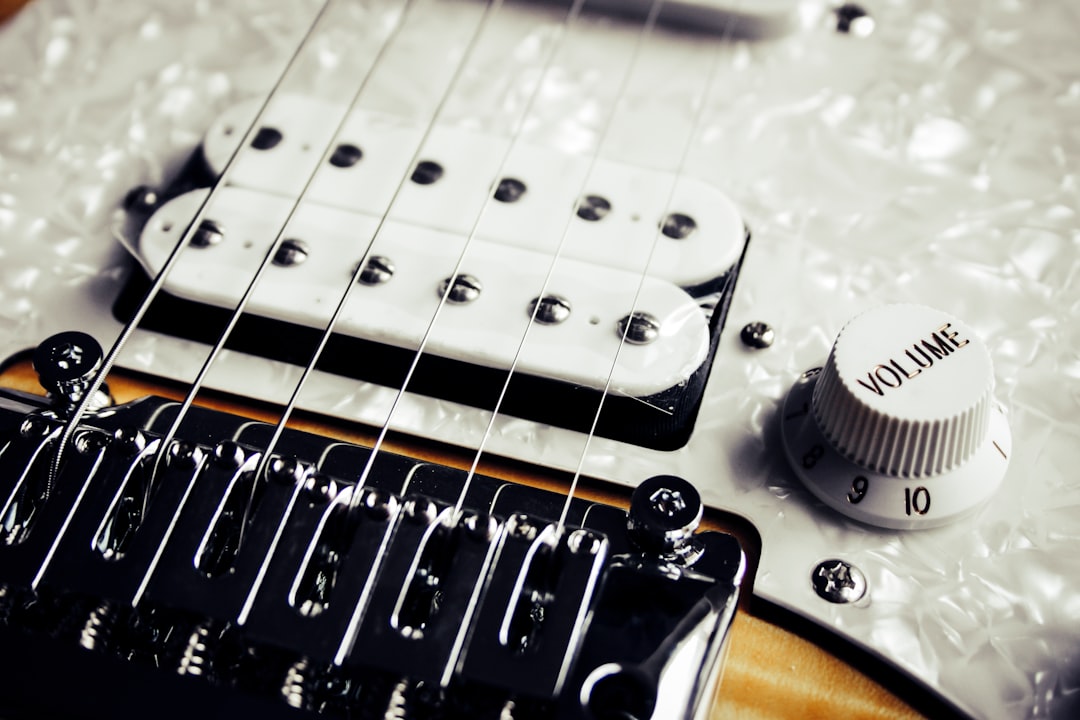
Choosing a guitar is rarely just a technical decision. For serious players, it is about touch, response, balance, tone, and the hard-to-define feeling that an instrument either gives back to you or does not. That is why interest in custom electric guitar builds continues to grow among musicians who want more than a standard model pulled from a warehouse shelf. A custom instrument can reflect the way you actually play, not the way a mass-market guitar assumes you should.
Still, not every custom route is the same. Some players only need a carefully upgraded production guitar. Others want a semi-custom build that refines proven specifications. And for some, only a fully bespoke instrument makes sense. Understanding the differences can save money, prevent disappointment, and help you end up with a guitar that truly fits your hands, your ears, and your musical identity.
What “custom” really means in electric guitar building
The word custom gets used loosely, and that can create confusion. In practical terms, there are three common paths. The first is a production guitar with aftermarket changes, such as new pickups, upgraded hardware, or a reworked setup. The second is a semi-custom guitar, where you choose from a builder’s established platform and select certain specifications. The third is a full custom build, where the instrument is designed around your exact needs from the ground up.
Each approach has value. A modified production model can be the most efficient route if you already like the base guitar and only want to improve a few weak points. A semi-custom option is often ideal for players who know what they want but still prefer the reassurance of a tested body shape, neck design, and construction method. A full custom build suits players with highly specific ergonomic, tonal, or aesthetic preferences, especially if off-the-rack instruments have never felt completely right.
For players researching custom electric guitar builds, working with a workshop such as Custom Handmade Guitar Indonesia | Markland Guitarworks can be appealing because the process tends to be more personal, with closer attention to detail, communication, and finishing choices than many factory-made alternatives.
Comparing the main custom electric guitar options
Before deciding, it helps to look at the strengths and trade-offs side by side. The right choice depends less on what sounds impressive and more on how clearly you understand your own needs.
| Option | Best For | Advantages | Trade-Offs |
|---|---|---|---|
| Modified production guitar | Players who already like an existing instrument and want targeted upgrades | Lower cost, faster turnaround, familiar platform | Core feel and construction remain limited by the original guitar |
| Semi-custom build | Players who want meaningful choices without designing every detail | Balanced pricing, proven design, personalized specs | Fewer structural changes than a true one-off instrument |
| Full custom build | Players with precise tonal, ergonomic, or visual goals | Maximum personalization, tailored playability, distinct identity | Higher cost, longer lead time, more decisions to make |
If you play in multiple settings and need versatility, a semi-custom route is often the smartest middle ground. If your technique is advanced and you can clearly describe what feels wrong about standard instruments, a full custom guitar may be worth the investment. If your current guitar already feels close to right, modifications may deliver most of the benefit without starting over.
How specs shape the feel and voice of a custom build
The value of a custom guitar is not just in exotic wood or visual flair. The real difference usually comes from how the specifications work together. A well-designed instrument feels coherent. Nothing fights the player.
Neck profile and scale length
The neck is often the most important decision because it affects every minute of playing. Thickness, shoulder shape, fingerboard radius, fret size, and scale length all influence comfort. Players with a heavy fretting hand may prefer a slightly fuller neck for support. Fast lead players often want a neck that feels quick without becoming too flat or thin. If you switch between rhythm and intricate lead work, balance matters more than extremes.
Pickups and electronics
Pickups should be chosen for musical purpose, not hype. High-output pickups can push an amp harder and emphasize aggression, but they may reduce dynamic nuance. Lower-output pickups often preserve articulation and touch sensitivity. Wiring options also matter. Coil-splitting, series and parallel switching, or a simple control layout can all change how intuitive the guitar feels on stage or in the studio.
Body wood, hardware, and overall balance
Tonewoods remain a nuanced subject, but weight, resonance, and attack absolutely affect the playing experience. Just as important is hardware quality. A bridge that feels stable, tuners that hold pitch, and a nut cut correctly can do more for confidence than a visually dramatic top wood. Balance should never be overlooked either. A guitar that neck-dives or feels awkward when seated may become frustrating no matter how good it sounds.
- Prioritize neck comfort before cosmetic upgrades.
- Choose pickups based on style, gain level, and dynamic range.
- Think about weight if you play long sets.
- Match hardware to your tuning stability and maintenance expectations.
- Keep the control layout practical for the way you actually perform.
Budget, lead time, and the question of value
Many players approach custom work by asking only one question: how much does it cost? A better question is what kind of value you expect over time. A cheaper guitar that never feels quite right can become expensive in the long run if it leads to repeated upgrades, resale losses, or creative frustration. A well-made custom instrument may cost more upfront but serve you faithfully for years with fewer compromises.
That said, full custom is not automatically the wisest choice. If your preferences are still evolving, locking in a highly specific build may be premature. The more experienced and self-aware the player, the more likely a full bespoke guitar will pay off. Players earlier in their journey often benefit from a semi-custom instrument that offers clarity without overwhelming them with decisions.
Lead time also matters. Custom building takes planning, sourcing, craftsmanship, and finishing time. If you need an instrument quickly for work or touring, an upgraded existing guitar may be more realistic. If this is a long-term personal instrument, patience becomes part of the process, and often part of the reward.
How to choose the right custom electric guitar build for you
The best choice usually becomes clear once you stop thinking abstractly and start thinking in terms of use. Ask yourself what problem the guitar needs to solve. Is it comfort? Tonal range? Reliability? Aesthetic identity? The clearer the goal, the easier the specification decisions become.
- Define your musical role. A studio player, a metal guitarist, a blues soloist, and a session musician may all need very different tools.
- Audit your current guitar. List what you love, what annoys you, and what you wish it did better.
- Separate essentials from preferences. Neck shape and tuning stability may be essential; figured top wood may be optional.
- Be honest about budget. Leave room for a proper case, setup, and possible future maintenance.
- Choose a builder who listens well. Good communication is as important as craftsmanship.
This last point is especially important. A custom guitar is a collaborative process. The best builders do not simply say yes to everything; they help refine ideas, identify contradictions, and guide players toward specs that will work in real life. That is one reason smaller workshops often stand out. A business such as Markland Guitarworks can appeal to players who want a more hands-on conversation, thoughtful build decisions, and the character that comes from dedicated handmade work rather than anonymous volume production.
In the end, the right custom path is the one that aligns with your experience, your goals, and the way you want an instrument to respond in your hands. Some players need only strategic upgrades. Others are ready for a semi-custom guitar that sharpens a familiar formula. And some will only be satisfied by a fully bespoke instrument designed around their touch and sound. When approached carefully, custom electric guitar builds are not about excess. They are about fit, intention, and the rare satisfaction of playing a guitar that feels unmistakably yours.
For more information visit:
Markland Guitarworks | Custom Guitar
https://www.marklandguitarworks.com/

+628111504404
Jakarta, Indonesia
Markland Guitarworks : Indonesian Handmade Custom Acoustic and Electric Guitar.
Markland Guitarworks is located in Bogor, West Java. We are a small-manufacturing musical instrument that specializes in custom acoustic and electric guitar. We began our journey in the musical instrument industry specifically in guitar design in 2017. Markland Guitarworks was initially focused on designing guitars with distinctive character and identity.
Handcrafted guitars designed for pro musicians who want to stand out on stage and studio. Stay tuned for our upcoming model that will elevate your performance to the next level.


